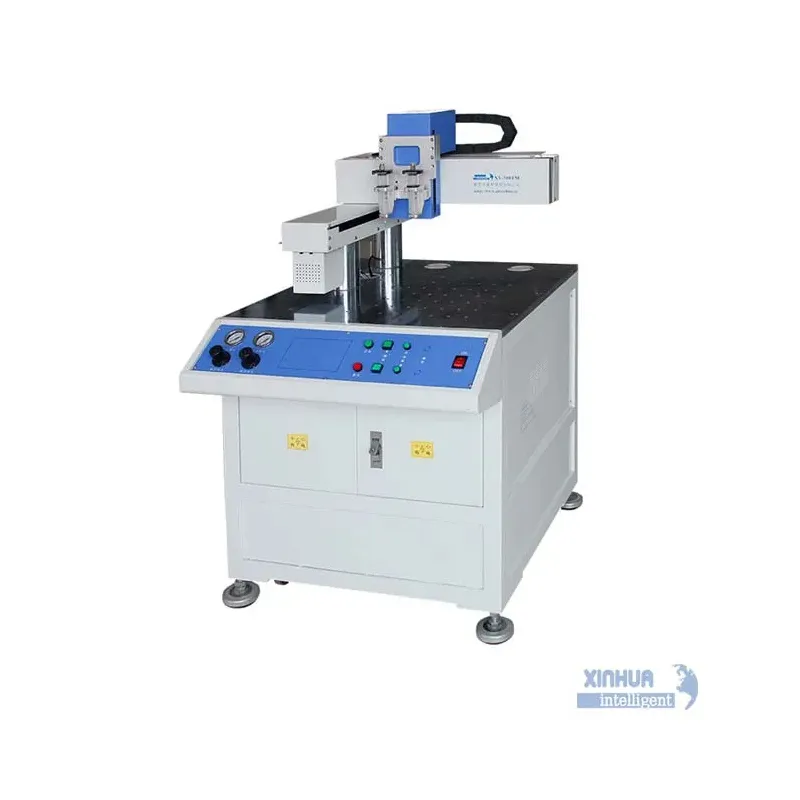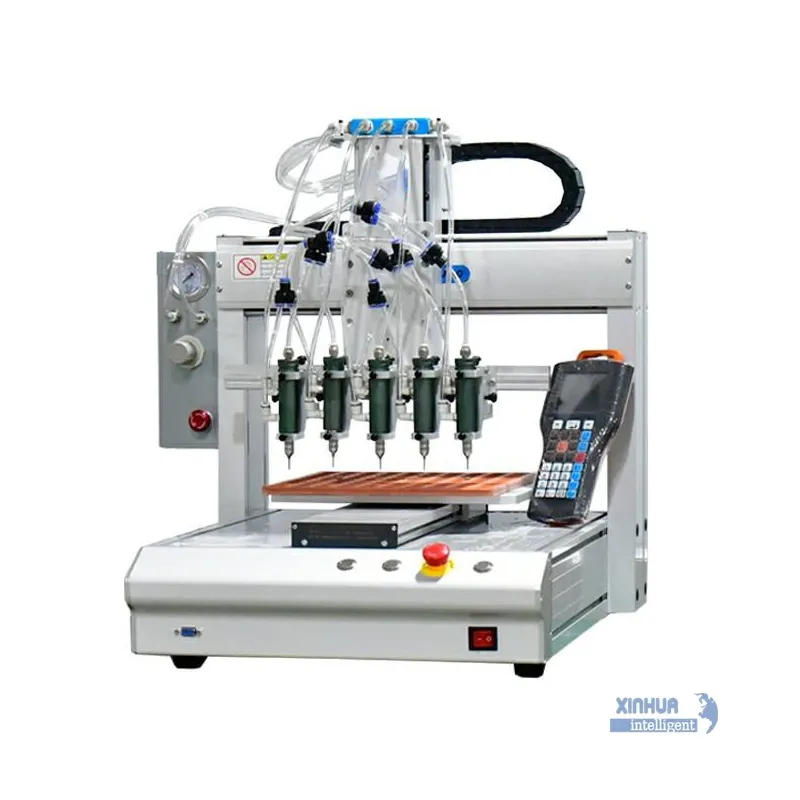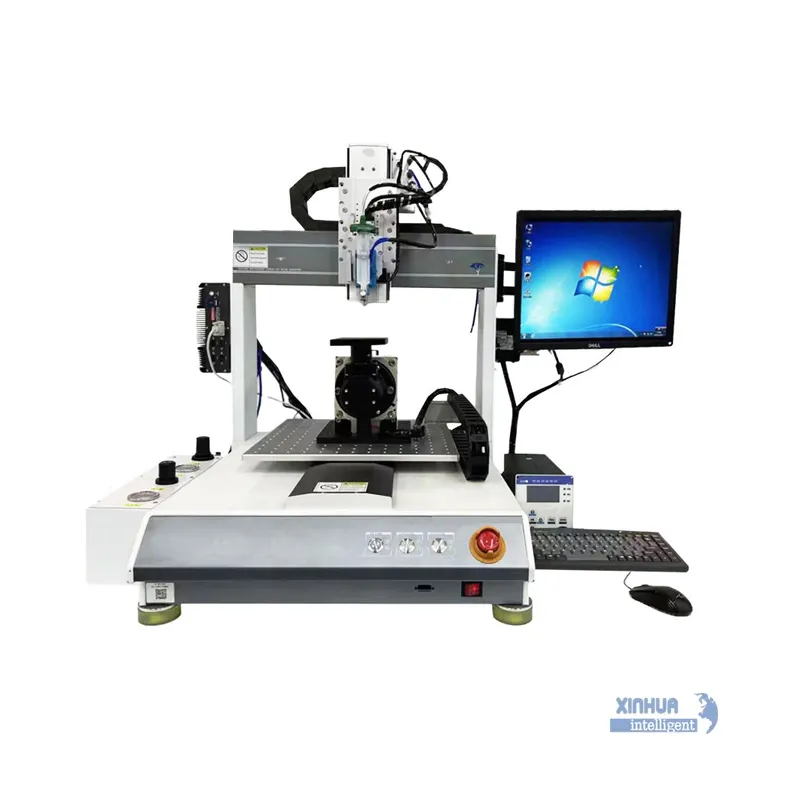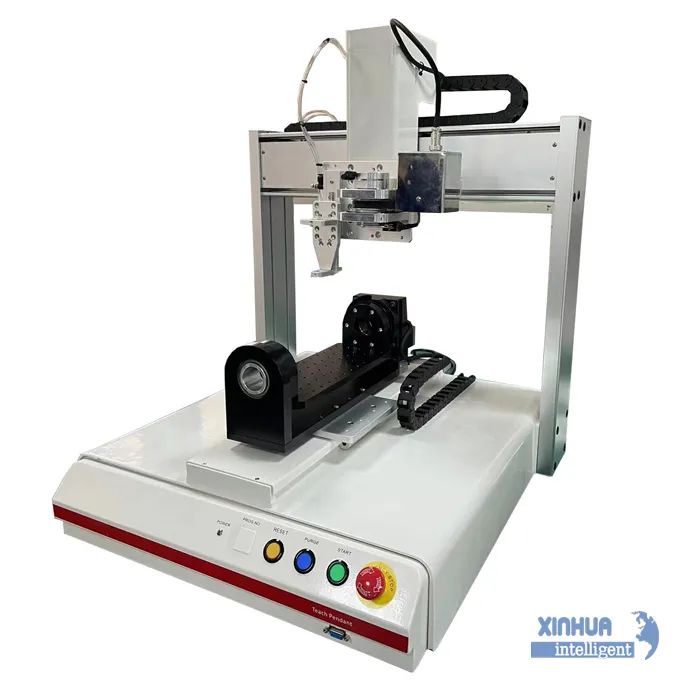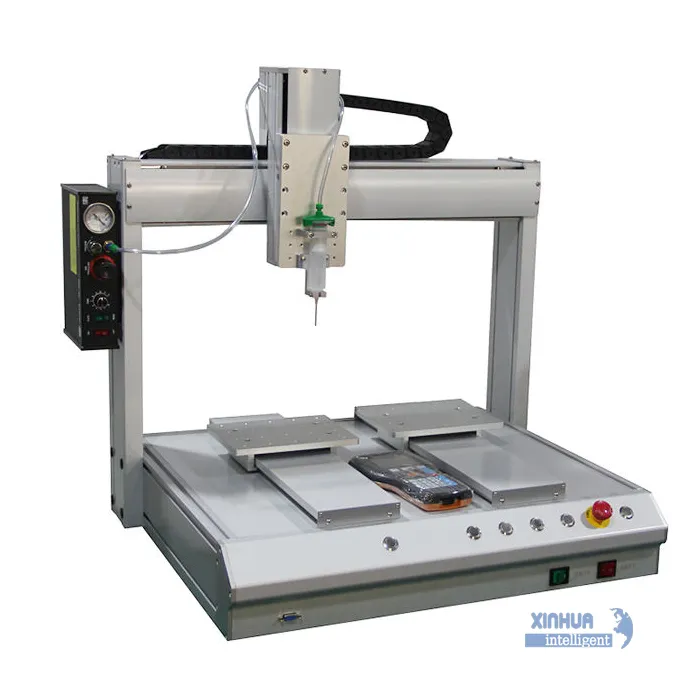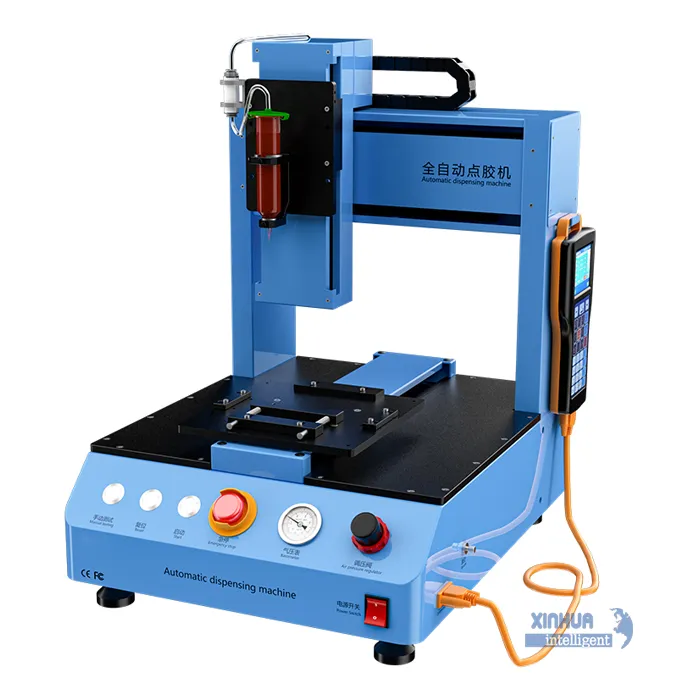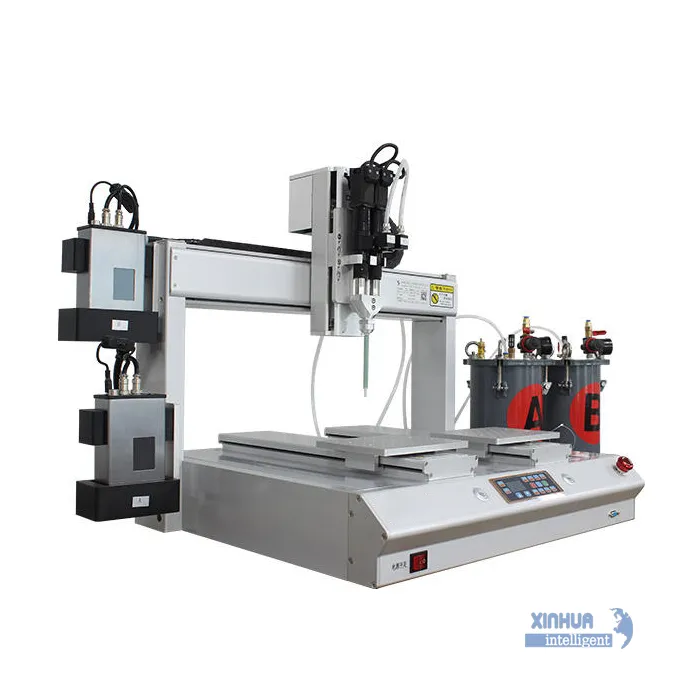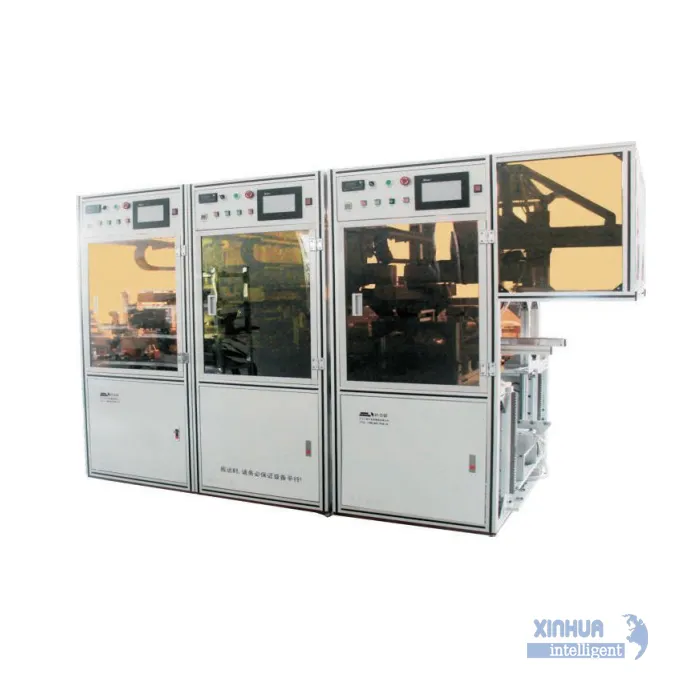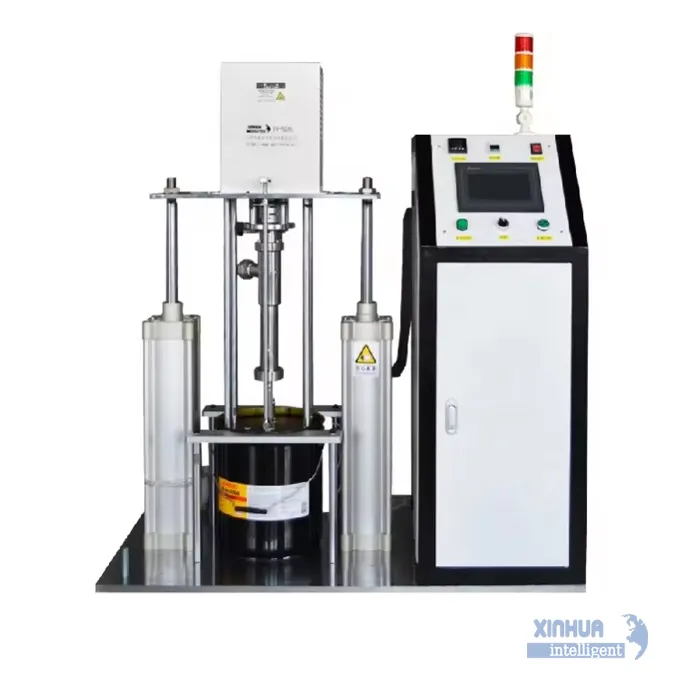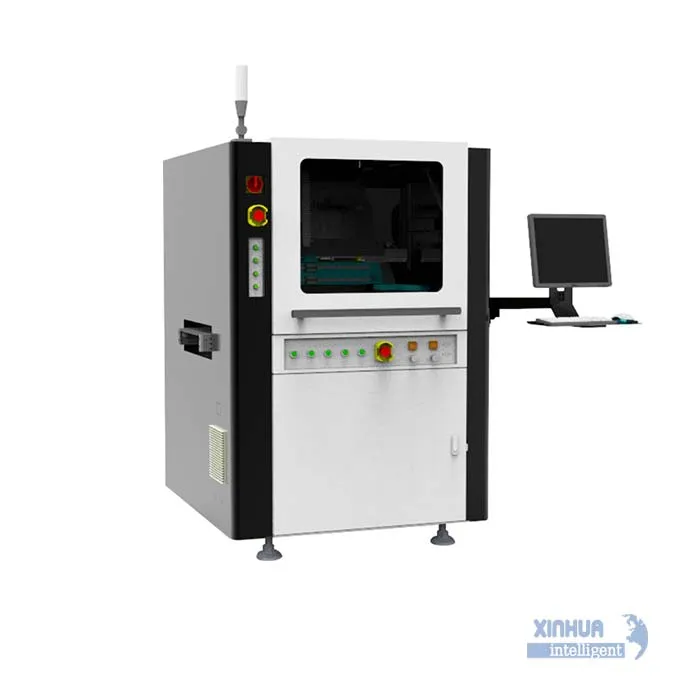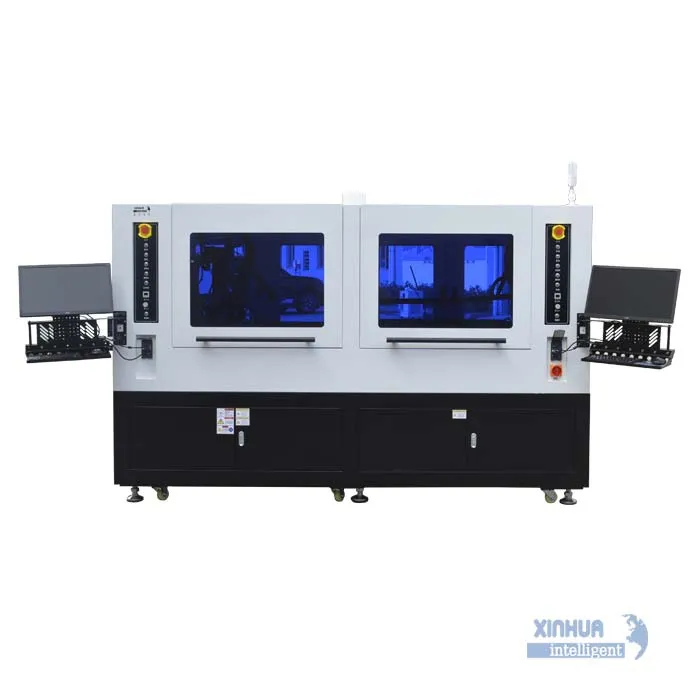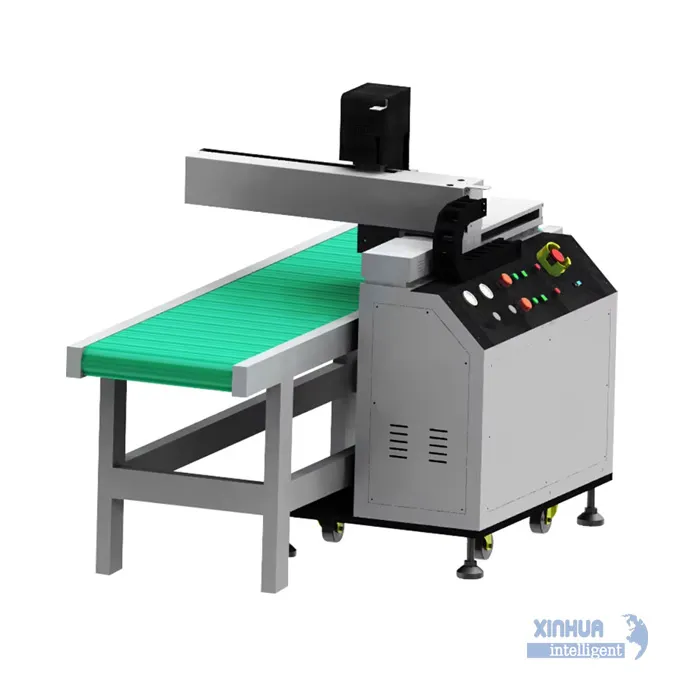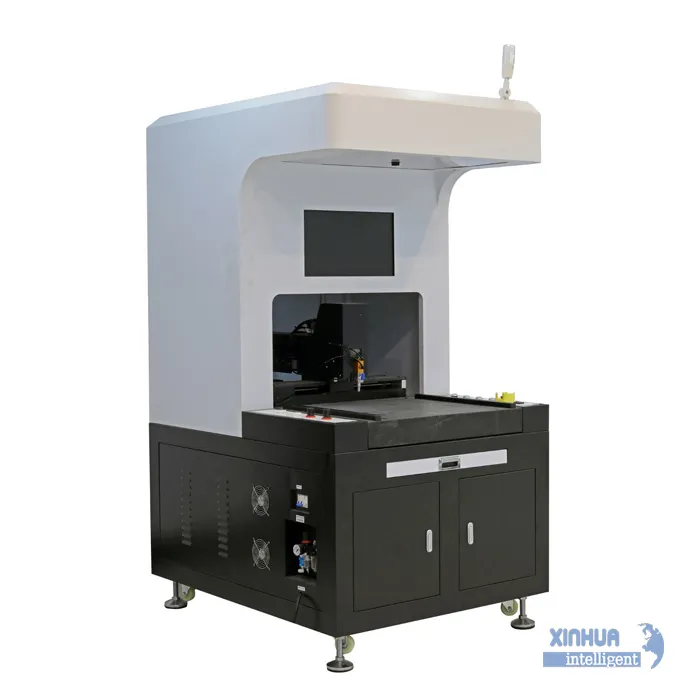
A sealant dispensing machine is equipment that supplies and applies a controlled amount of sealant to a joint, surface or enclosure. It can produce dots, continuous beads or filling patterns using a hand-operated applicator, a controlled dispenser or an automated motion system. Two-component equipment also meters and mixes the separate materials before application.
The purpose is to make material delivery and placement more repeatable for a defined sealing task. The appropriate machine depends on the sealant formulation, required bead or shot size, part geometry and production process.
What Does a Sealant Dispensing Machine Do?
The system moves sealant from its container to an application point and controls when material starts and stops flowing. On automated equipment, a controller coordinates dispensing with the movement of the nozzle or workpiece. This can help produce consistent deposits across repeated parts when the process is correctly configured and maintained.
Sealing and bonding can overlap, but they describe different objectives. A sealing process aims to close a gap or create a barrier; a bonding process joins substrates. Some materials perform both functions. Equipment selection must reflect the material and finished-part requirements rather than treating all adhesive applications as identical.
Our automatic glue dispensing machine range includes different dispensing configurations. Confirm suitability for your sealant through a material and part trial.
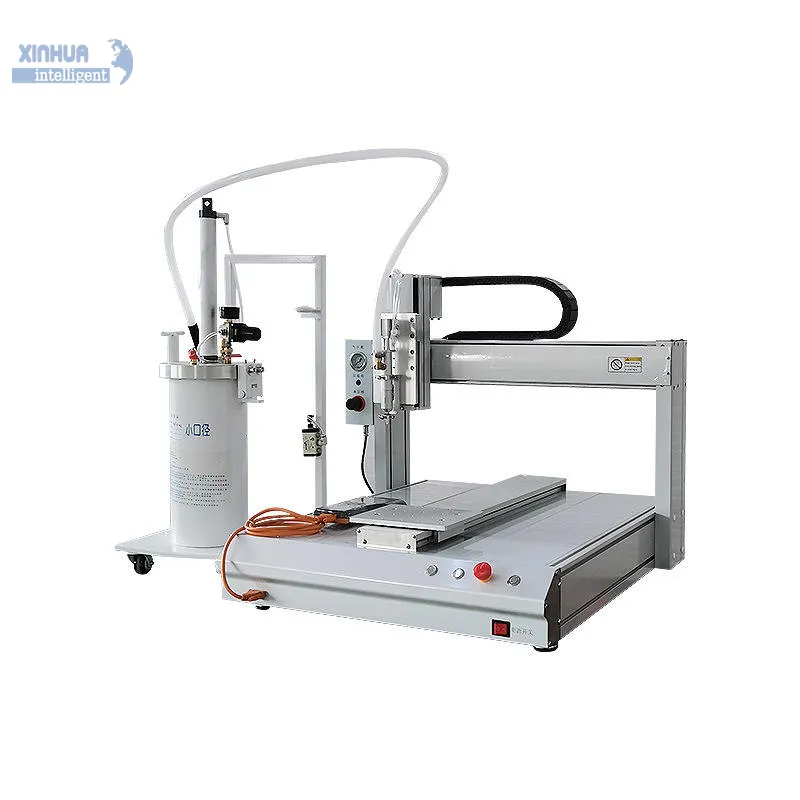
Main Components of a Sealant Dispensing System
- Material supply: A cartridge, reservoir, pail or drum feeds sealant into the fluid path. The feed arrangement must suit the packaging and material behavior.
- Delivery control: Pressure and dispensing time, or a metering mechanism, control the output. The chosen method must meet the required shot or bead tolerance.
- Valve and nozzle: These release material at the application point and control start and stop behavior.
- Motion and fixturing: A robot or positioning stage guides the path, while a fixture locates the workpiece.
- Controller and optional monitoring: The controller stores process settings. Pressure, flow, weight or vision monitoring may be available depending on the configuration.
For two-component sealants, the fluid system also needs an appropriate proportioning and mixing arrangement. A robot provides motion; it does not replace material metering or establish compatibility by itself.
Equipment Types: Automation and Material Delivery
Compare the Level of Automation
| Equipment Type | Typical Role | What to Check |
|---|---|---|
| Hand-operated applicator | Repair, trials or flexible low-volume work. | Operator control, access and deposit consistency. |
| Controlled benchtop dispenser | Regulated delivery with manual part or nozzle positioning. | Output repeatability and operator handling. |
| Benchtop dispensing robot | Programmed paths on fixtured parts within its working envelope. | Part clearance, loading time and path access. |
| Integrated robotic or inline system | Dispensing coordinated with an automated production process. | Line interfaces, cycle time, inspection and changeovers. |
A benchtop dispensing robot may use XYZ motion, with additional axes where needed. These descriptions can refer to the same machine rather than separate, mutually exclusive categories.
Compare the Material Delivery Method
Automation level and fluid delivery are separate choices. A pressure-based system controls output through pressure, time and the flow path. A volumetric system uses a metering mechanism to control quantity. A two-component meter-mix system proportions and mixes two material streams. Each can be combined with a suitable manual or automated application arrangement.
Common Sealing Applications
- Housing and enclosure seams: Applying sealant around covers, joints or other defined interfaces.
- Formed-in-place gasket beads: Depositing a programmed bead where the specified material and joint design support the process.
- Electronic assemblies: Sealing selected interfaces or filling specified areas to meet the product design.
- Window and panel joints: Delivering sealant for suitable assembly processes, with equipment sized for the material volume and workpiece.
These are application categories, not a claim that one model serves every industry. Dispensing a continuous bead does not by itself establish waterproofing, adhesion or service life. Finished-part performance must be verified against the relevant design and test requirements.
Material Compatibility and 1K/2K Requirements
Single-component sealants (1K) are delivered as one formulation. Their curing behavior varies, so the supply system and nozzle handling must follow the specific material instructions. Moisture-sensitive materials, for example, may need protection from atmospheric exposure before application.
Two-component sealants (2K) require the specified mix ratio and adequate mixing. Evaluate the ratio range, component viscosities, working time, mixer choice and behavior during production pauses. Incorrect proportioning or incomplete mixing can prevent the material from achieving its intended properties.
Silicones, polyurethanes and other sealant chemistries can require different wetted components and process conditions. Compatibility also depends on fillers, abrasiveness and packaging. Heating, agitation, degassing and light curing are application-dependent features rather than standard requirements for every sealant.
For a material-specific explanation, see how a silicone dispensing machine works. For general equipment background, Nordson EFD's sealant dispensing overview describes different dispenser, valve and two-component options.
How to Choose a Sealant Dispensing Machine
- Identify the material: Provide its product data sheet, component count, viscosity information, packaging and processing instructions.
- Define the deposit: Specify shot quantity or bead width, height, length and continuity requirements.
- Review the workpiece: Check dimensions, nozzle access, fixture design, surface preparation and expected part variation.
- Set the production target: Include loading, dispensing, inspection, replenishment and changeover time rather than robot travel time alone.
- Plan process verification: Agree on repeated shot or bead checks, and any required cure, adhesion or leak tests on representative parts.
- Compare operating costs: Consider nozzles, mixers, purge waste, cleaning, maintenance and operator time as well as the machine price.
Robot positioning repeatability and dispensing quantity accuracy are different measurements. Request trial results using your material and parts instead of treating a motion specification as a guarantee of seal quality.
Frequently Asked Questions
Is a sealant dispensing machine the same as a glue dispenser?
The terms can overlap. Both describe equipment for controlled material application, but a suitable configuration must match the actual adhesive or sealant and the required process.
Can one machine handle both 1K and 2K sealants?
Only if its configuration supports both processes. A single fluid path does not provide the separate proportioning and mixing required for two-component material.
Does every sealant dispenser need a robot?
No. Manual positioning or a simple fixture may suit some tasks. Programmed motion becomes useful when repeatable paths, part handling or production integration justify it.
Can automation eliminate dispensing defects?
No. Automation can improve repeatability, but material condition, setup, maintenance and part variation still affect the result. Inspection and process validation remain necessary.
Discuss Your Sealing Application
Send your sealant data sheet, part drawing, bead or shot requirements and production target. Include the 1K or 2K format and any inspection requirements so the equipment discussion starts with the actual process. Contact XINHUA to discuss a sealant dispensing trial.