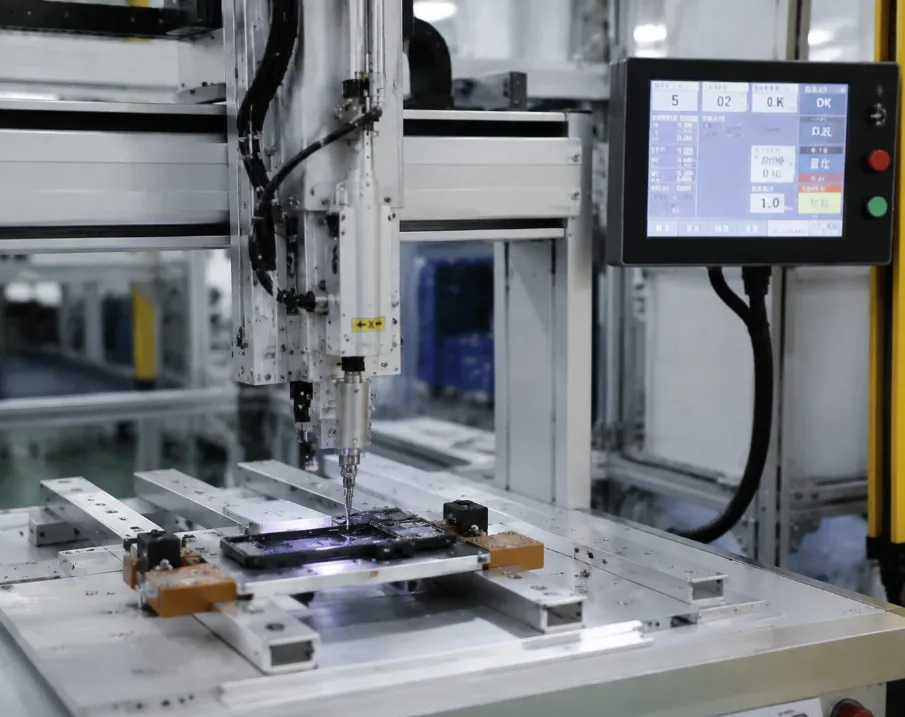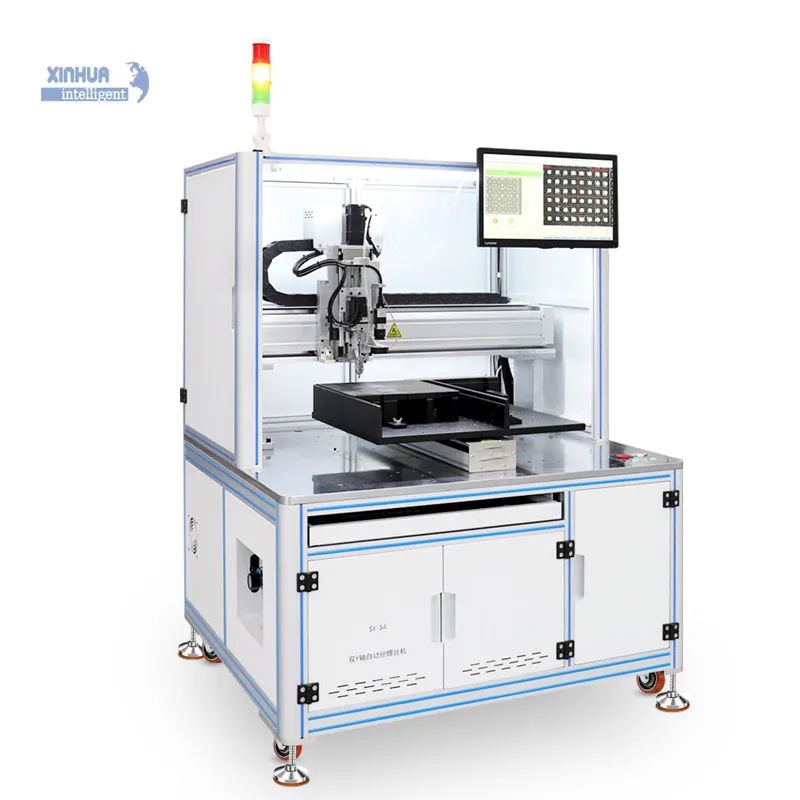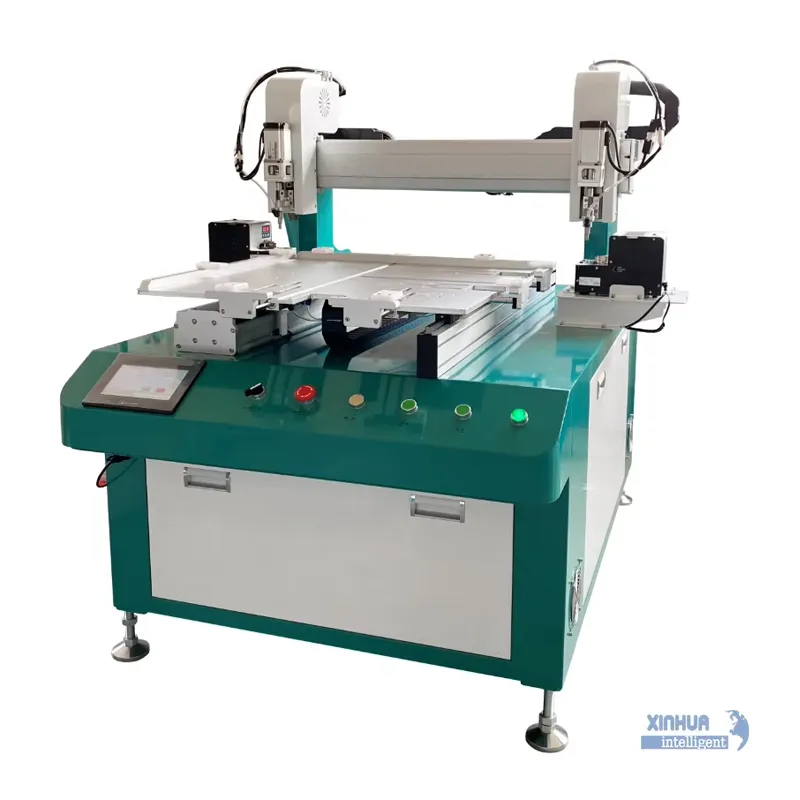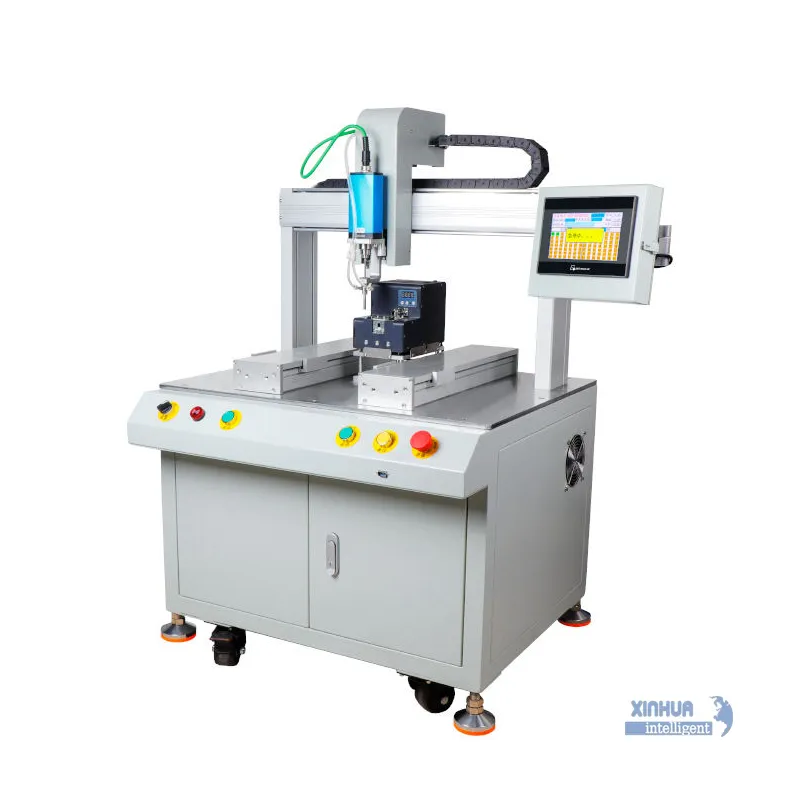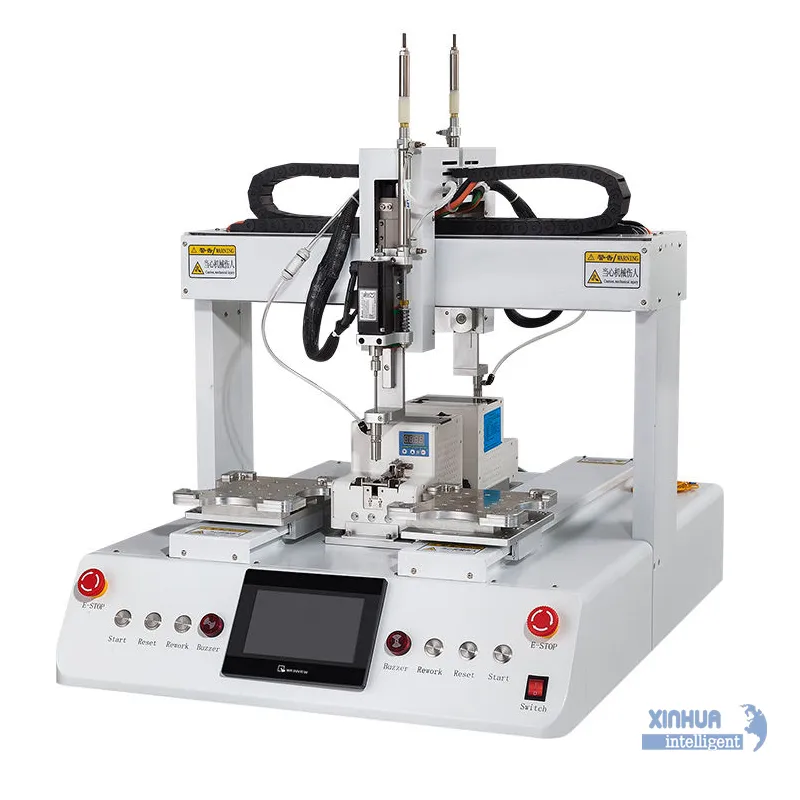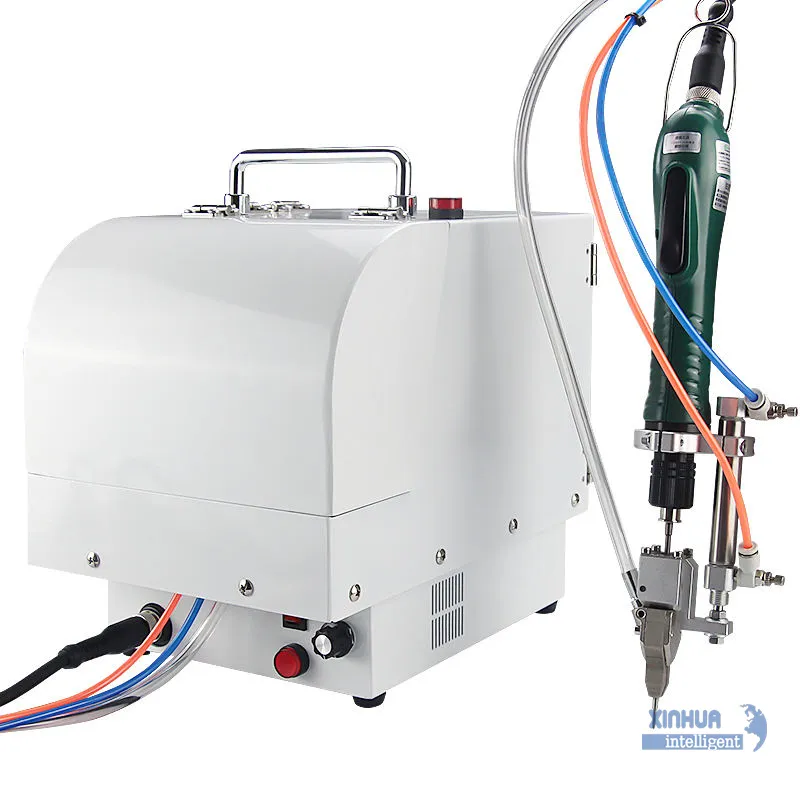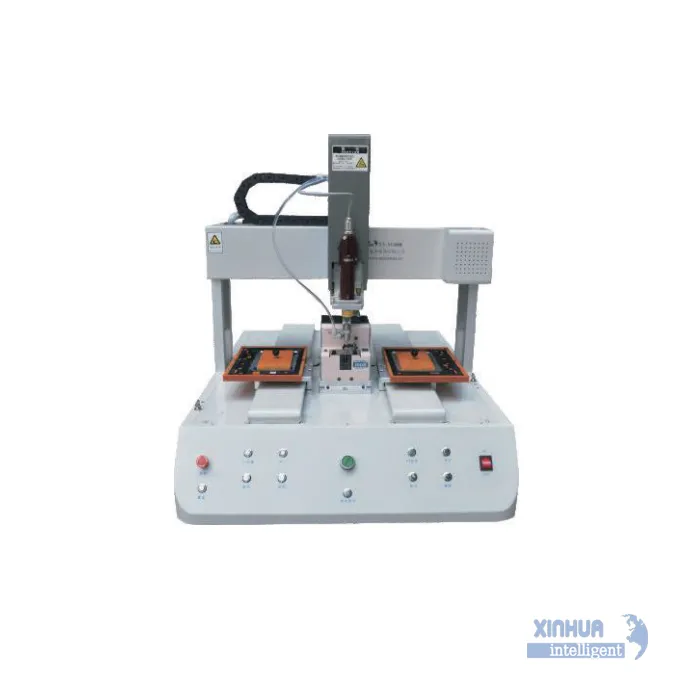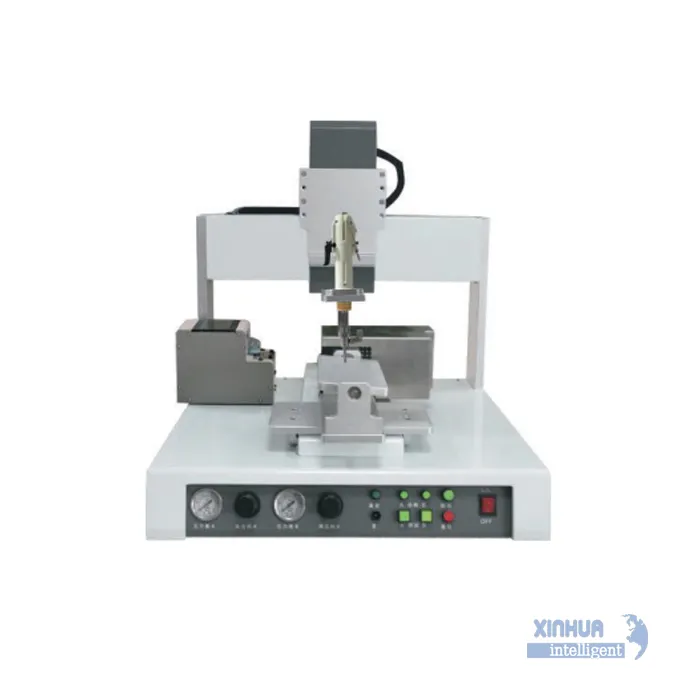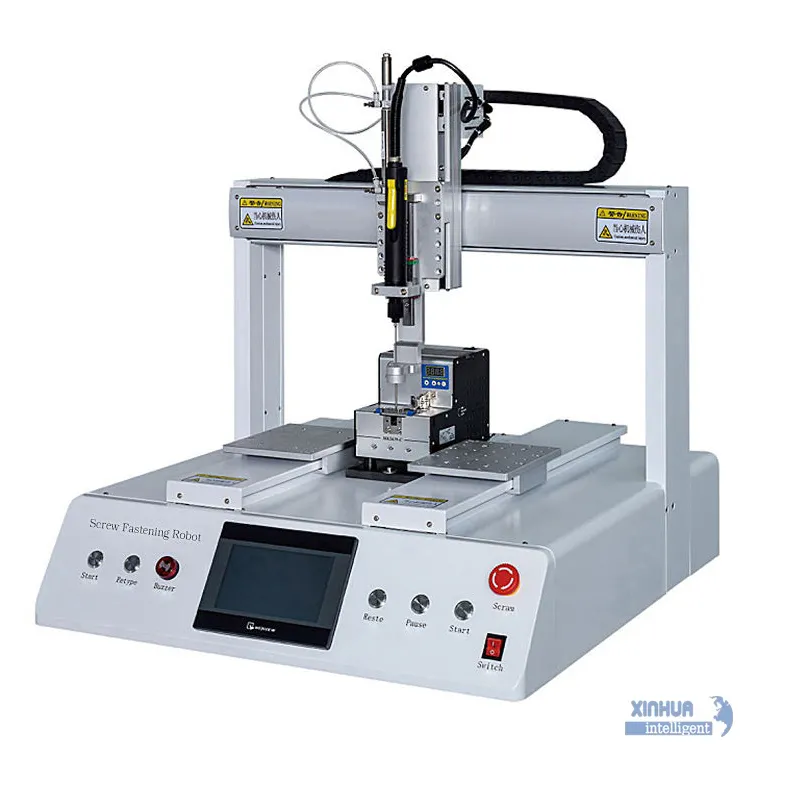

I still remember my first assembly line visit back in the early 2000s. Ten operators, each holding a pneumatic screwdriver. Every hour, someone dropped a screw. Every shift, someone cross-threaded a housing. By Friday, rework piled up like a second shift. That’s when I stopped believing in “skilled hands” and started pushing for automation.

After two decades designing and fixing automatic screwdriving systems, I can tell you: the efficiency jump isn’t small – it’s a different game.
1. Cycle time cuts by 50–70% – real numbers
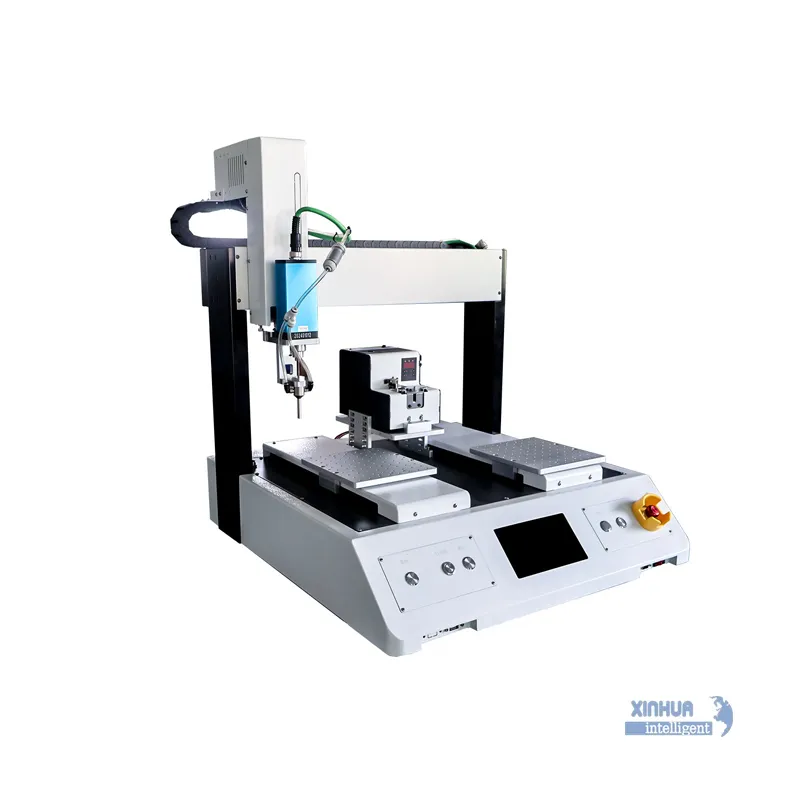
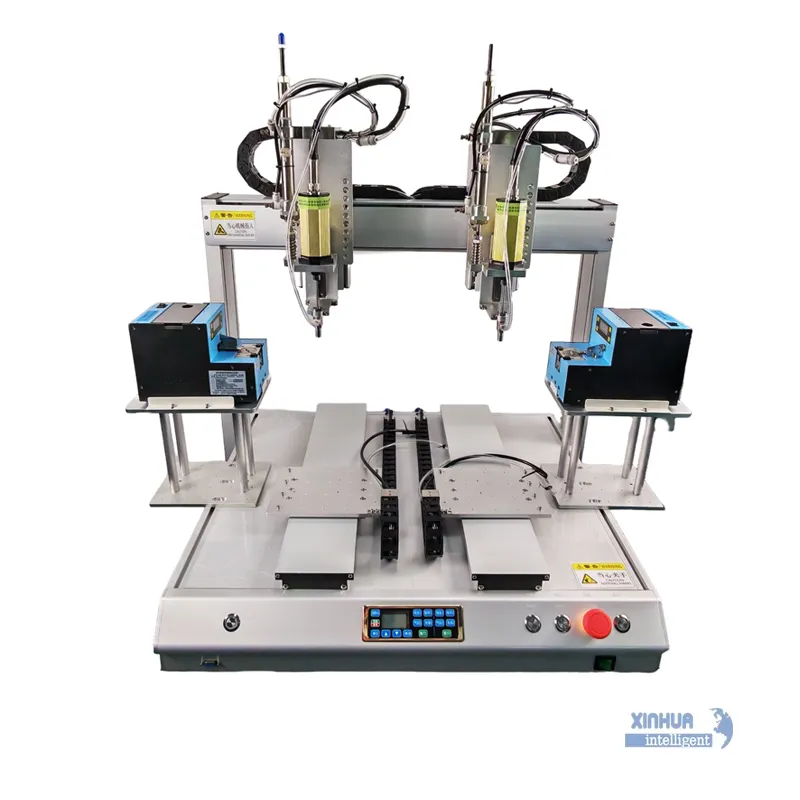
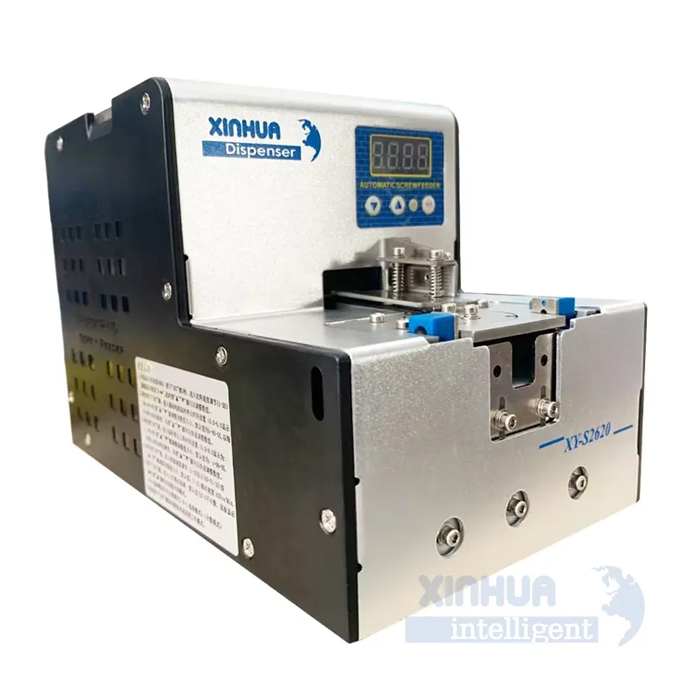
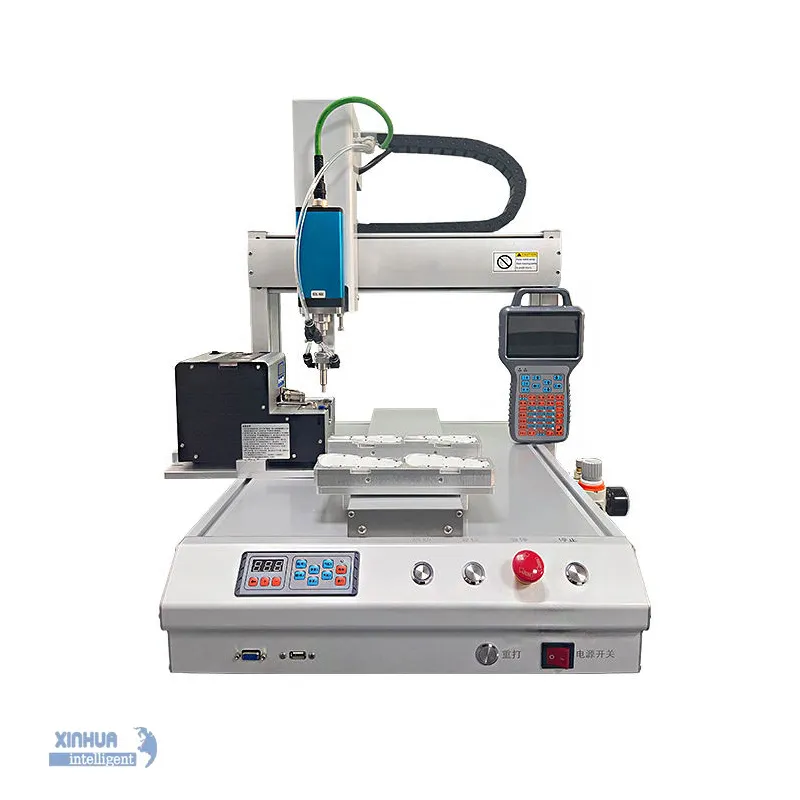
A trained operator takes about 3–4 seconds to pick, place, and drive one M2 screw. Add wrist fatigue, screw jams, and bit changes, and average true cycle time often hits 5–6 seconds. A decent automatic screw feeder + driver combo does the same job in 1.8–2.2 seconds – consistently, from screw #1 to screw #10,000. On a product with 20 screws, that’s over a minute saved per unit. Run 500 units a day? You just freed up 8 man-hours. Every day.

2. Zero dropped screws = zero “hunt time”
I’ve watched operators spend 15% of their shift hunting for screws that rolled under fixtures or bounced off the floor. Automatic systems deliver each screw directly to the bit tip, under vacuum or via blow-feed. No magnets. No tweezers. No kneeling. That alone recovered, on average, 45 minutes per shift in one customer’s power supply plant.
3. Torque consistency: your silent quality guard
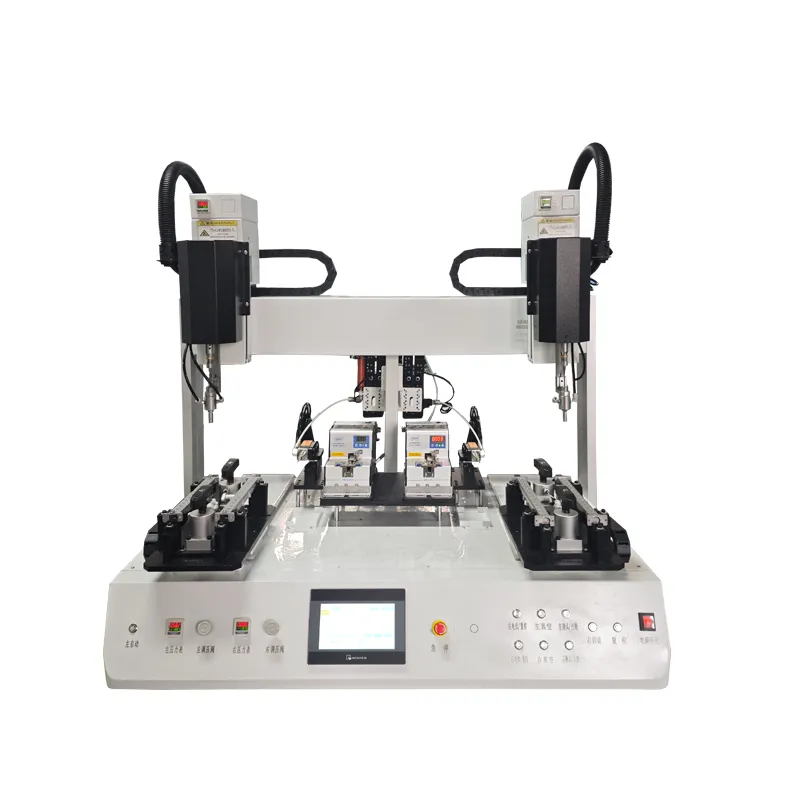
Hand drivers – even expensive electric ones – have a ±15–20% torque variation per operator and over time. An automatic screwdriver with closed-loop control holds ±3–5% for months. I’ve seen stripped plastic bosses drop from 8% to 0.2% after switching. That’s not just efficiency; that’s saving your reputation from warranty returns.
4. Data tracking that catches problems before they stop the line
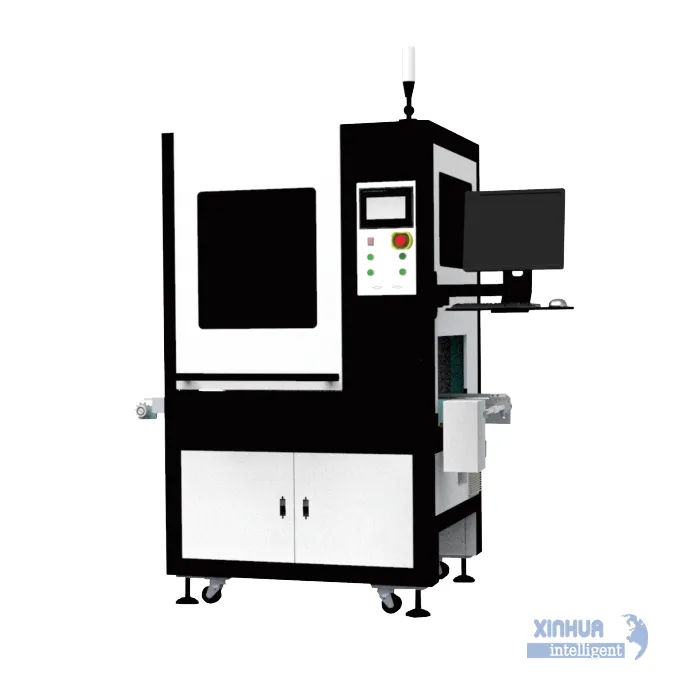
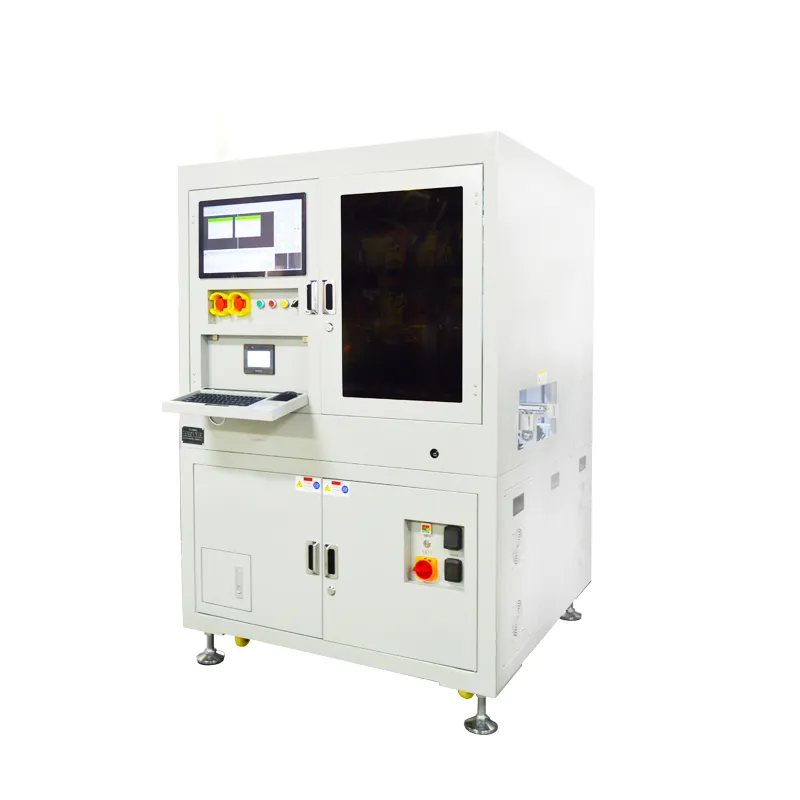
Modern auto screwdrivers log torque and depth for every joint. When I install these systems, I set thresholds: if torque rises 10% above baseline for three screws in a row, the machine alarms – “check bit wear” or “clean clamp.” Operators used to find stripped threads after assembly. Now they fix the root cause in 30 seconds.
5. Less training, fewer mistakes
A new operator needs weeks to reach 90% speed with a handheld driver. With an auto screwdriver – whether handheld guided or fully automated – they reach 95% consistency within one shift. The machine handles orientation, insertion depth, and torque ramp. The person just places the housing and presses a button. That matters when your turnover rate is high or your product mix changes weekly.
The hidden win: line balance
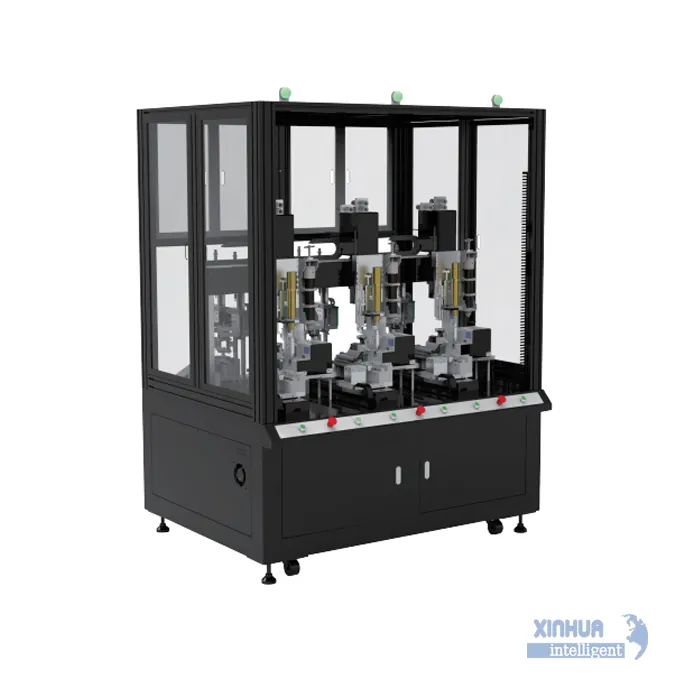
Manual stations are always the bottleneck. Once you automate screwdriving, you balance the whole line. I’ve seen throughput jump 35% without adding any other equipment – just because the screw station stopped waiting for tired hands.
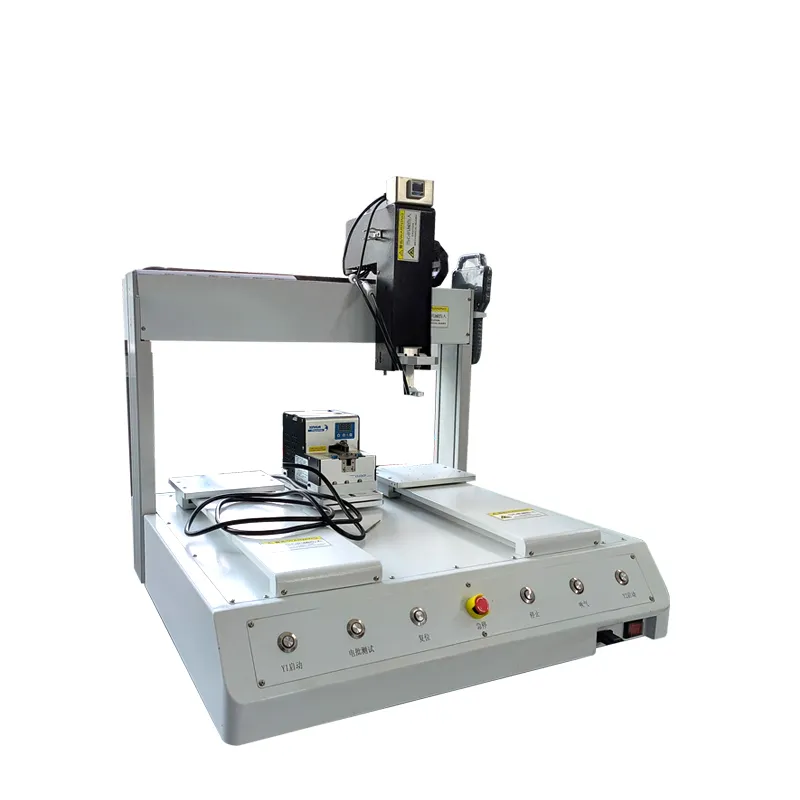
Does every assembly need an automatic screwdriver? No. Low volume, huge screws, or odd geometries still ask for a human. But for medium-to-high volume electronics, appliances, automotive modules, and consumer goods – the payback is usually under six months. Faster, cleaner, and your quality team stops sending you angry emails.
If you’re still using hand drivers and complaining about rework, come see my shop floor. I’ll run a side-by-side timer test. After 20 years, I know who wins.