
Below is a practical troubleshooting guide that can be used directly on the production floor. It covers the two most common issues encountered with automatic screw locking machines: stripped screw heads and inaccurate screw feeding, jamming, or missing screws. We explain the causes, inspection methods, and solutions in a straightforward manner.
1. Stripped Screw Heads, Cam-Out, or Damaged Phillips/Torx Recesses
In most cases, stripped screw heads occur when the screwdriver bit and the screw recess do not engage properly, resulting in uneven force distribution, slippage, or excessive impact during fastening.
1. Screwdriver Bit Problems (Approximately 60% of Cases)
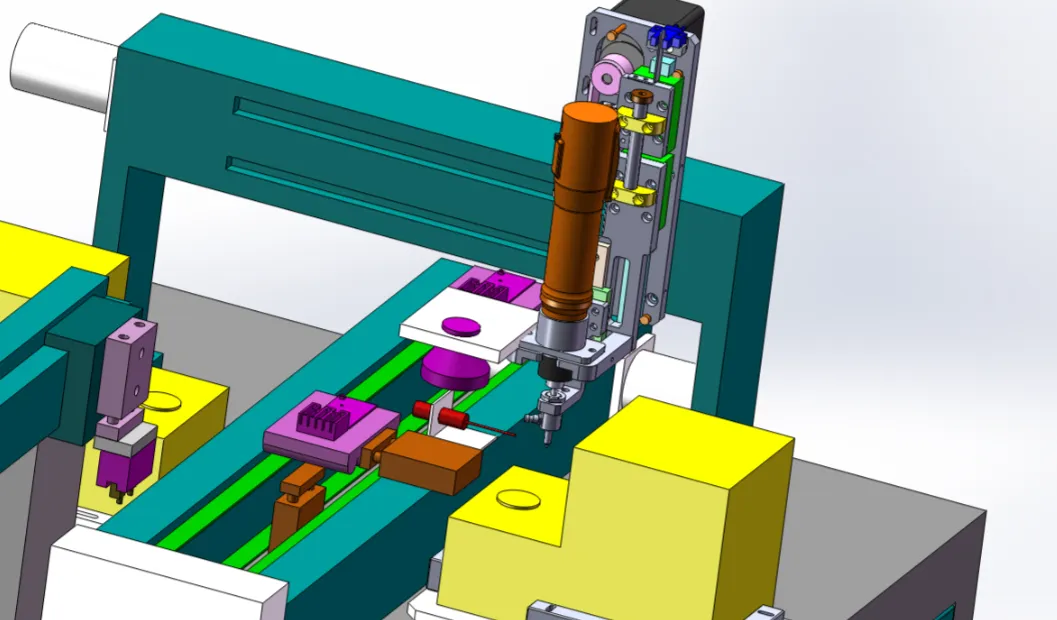
Common issues include:
-
Worn or rounded screwdriver bits
-
Chipped or damaged bit tips
-
Incorrect bit size or type (e.g., using PH1 instead of PH2, or mismatched Torx bits)
-
Weak magnetic force causing screw instability
-
Poor bit concentricity resulting in wobbling during fastening
Solutions:
-
Replace worn bits immediately.
-
Use hardened, anti-slip screwdriver bits.
-
Ensure the bit type and size perfectly match the screw.
-
Increase magnetism or use a stronger magnetic bit if necessary.
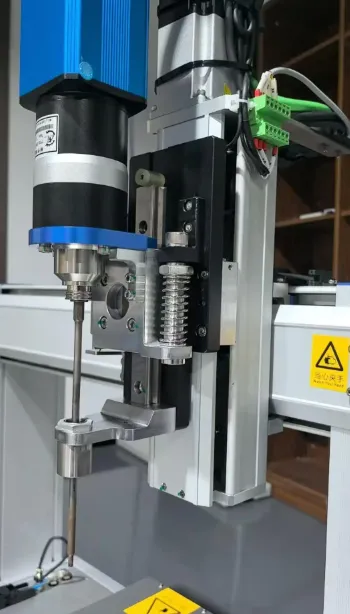
2. Torque and Speed Settings (Approximately 20% of Cases)
Common issues include:
-
Excessive torque causing immediate damage to the screw head
-
High rotational speed creating excessive impact force
-
Plastic parts and zinc alloy components are especially vulnerable to stripping
Solutions:
-
Reduce the fastening torque.
-
Use a soft-start or multi-stage fastening process.
-
Lower the rotational speed.
-
Increase deceleration before final tightening.
3. Vertical Alignment and Downward Pressure (Approximately 15% of Cases)
Common issues include:
-
Driver bit not perpendicular to the screw
-
Excessive downward force causing the screw to shift or jump
-
Z-axis cushioning set too soft or too rigid
Solutions:
-
Recalibrate vertical alignment.
-
Use fixtures to ensure accurate positioning.
-
Adjust the Z-axis stroke and cushioning force.
-
Optimize downward pressure during fastening.
4. Screw and Product Quality Issues
Common issues include:
-
Shallow screw recesses
-
Soft screw materials
-
Poorly manufactured screw heads
-
Burrs, misalignment, or off-center threaded holes
Solutions:
-
Use higher-quality screws.
-
Remove burrs from screw holes.
-
Improve hole positioning accuracy.
-
Verify component tolerances before production.
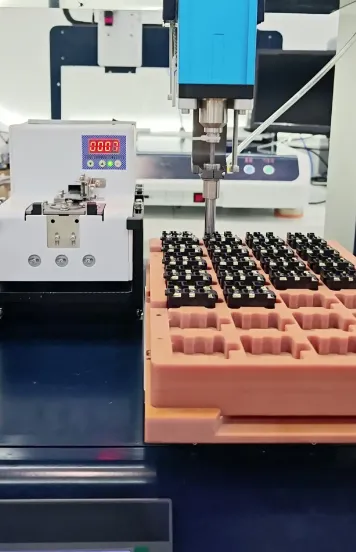
2. Inaccurate Screw Feeding, Jamming, Missing Screws, or Misaligned Feeding
Whether using a blow-feed system or a vacuum pickup system, the root causes are generally similar.
1. Feeder and Hopper Problems (Most Common)
Common issues include:
-
Mixed or tangled screws inside the hopper
-
Bridging or stacking of screws
-
Incorrect feeder gate clearance
-
Feeding cylinder moving too fast or too slowly
Solutions:
-
Organize screws and prevent mixed batches.
-
Adjust feeder gate clearance.
-
Optimize feeding speed.
-
Install anti-stacking mechanisms when necessary.
2. Air Tube and Air Pressure Problems (Blow-Feed Systems)
Common issues include:
-
Insufficient air pressure causing incomplete screw delivery
-
Excessive air pressure causing screws to overshoot or tilt
-
Bent or blocked air tubing
Solutions:
-
Maintain air pressure between 0.4–0.6 MPa.
-
Inspect and clean air lines regularly.
-
Ensure smooth and unrestricted airflow.
3. Vacuum Nozzle Problems (Vacuum Pickup Systems)
Common issues include:
-
Worn suction nozzles
-
Air leakage
-
Insufficient vacuum pressure
-
Incorrect nozzle size for the screw head
Solutions:
-
Replace worn nozzles.
-
Check the vacuum generator and filters.
-
Ensure the nozzle size matches the screw specification.
4. Feed Rail and Delivery Tube Problems
Common issues include:
-
Feed rails that are too wide or too narrow
-
Screws becoming stuck or flipping inside the tube
-
Burrs on the rail damaging screws
Solutions:
-
Adjust the rail width according to the screw size.
-
Polish the rail surface.
-
Remove burrs and debris regularly.
5. Screw Pickup Position and Driver Movement
Common issues include:
-
Pickup position set too high or too low
-
Driver bit wobbling during screw pickup
Solutions:
-
Recalibrate the pickup coordinates and Z-axis position.
-
Secure the driver assembly firmly.
-
Minimize vibration and movement during pickup.
6. Inconsistent Screw Specifications
Common issues include:
-
Variations in screw length
-
Differences in head thickness
-
Non-standard or deformed screws
-
Mixed screw models in the same batch
Solutions:
-
Standardize screw specifications.
-
Screen and inspect screws before loading them into the feeder.
-
Avoid mixing different screw types.
Quick Troubleshooting Guide
If Screw Heads Are Stripping
✅ Replacing the screwdriver bit solves the problem → Bit issue
✅ The problem occurs intermittently → Alignment or vibration issue
✅ Every screw strips immediately → Torque too high or speed too fast
✅ Plastic parts are frequently damaged → Torque setting too high
If Screw Feeding Is Inaccurate
✅ Frequent jams → Feeder, rail, or mixed screw issue
✅ Occasional missing screws → Unstable air pressure or vacuum pressure
✅ Screws exit the feeder at an angle → Incorrect feeder gate clearance
✅ Screws cannot be picked up → Vacuum nozzle or vacuum system issue
Conclusion
Most automatic screw locking machine problems can be traced back to four key areas: driver bits, fastening parameters, feeding systems, and screw quality. By following a systematic troubleshooting process, manufacturers can quickly identify the root cause, reduce downtime, improve fastening quality, and maximize the productivity of their automatic screw locking equipment.