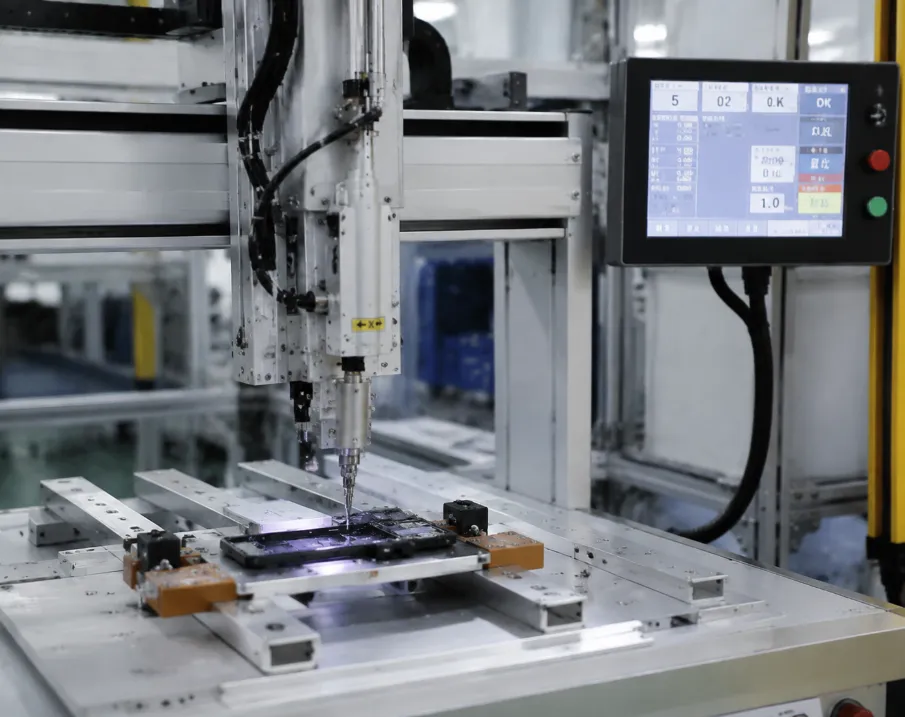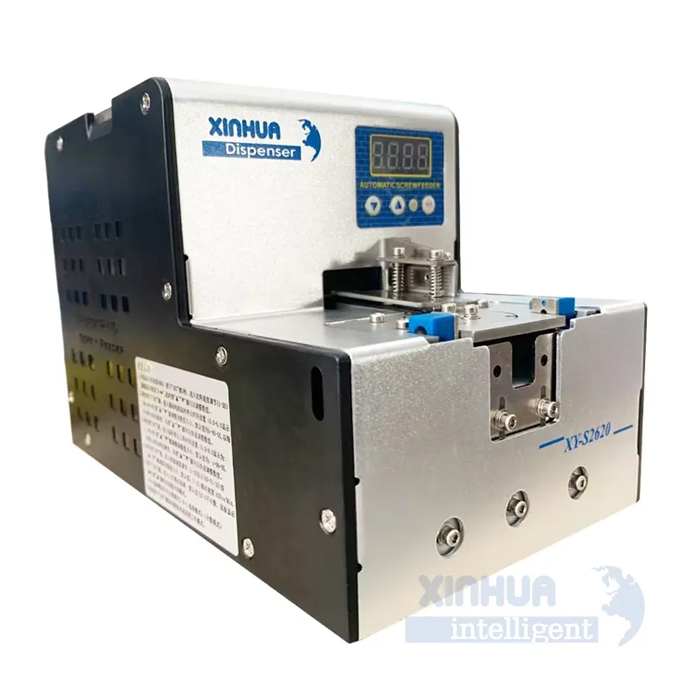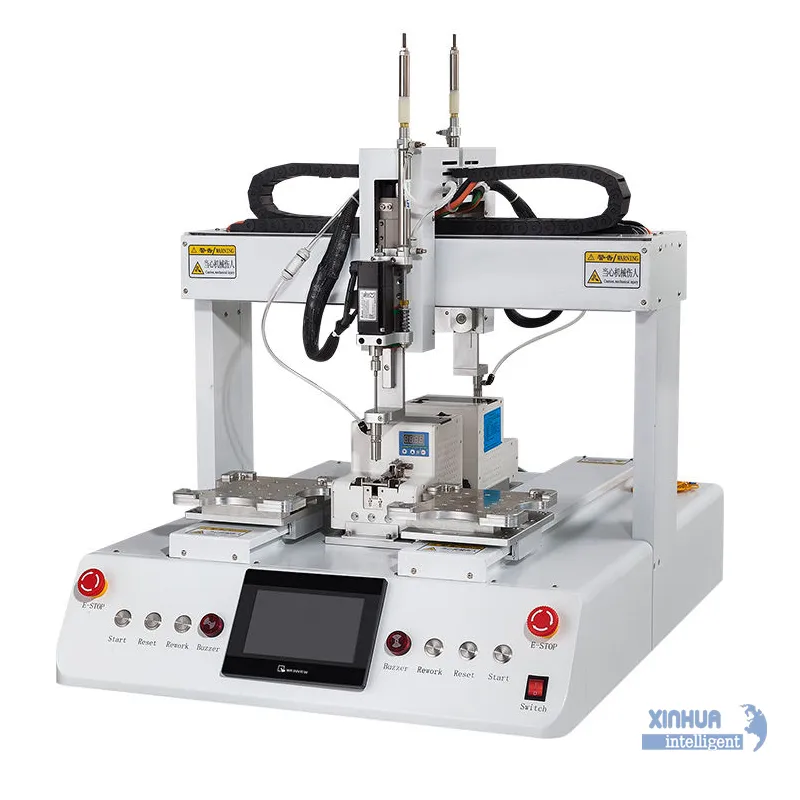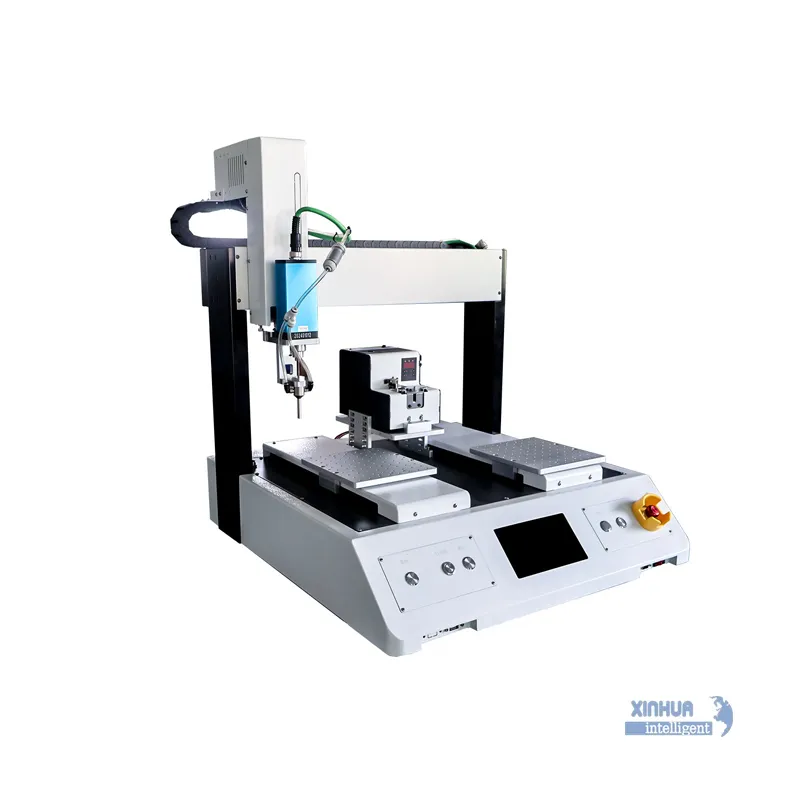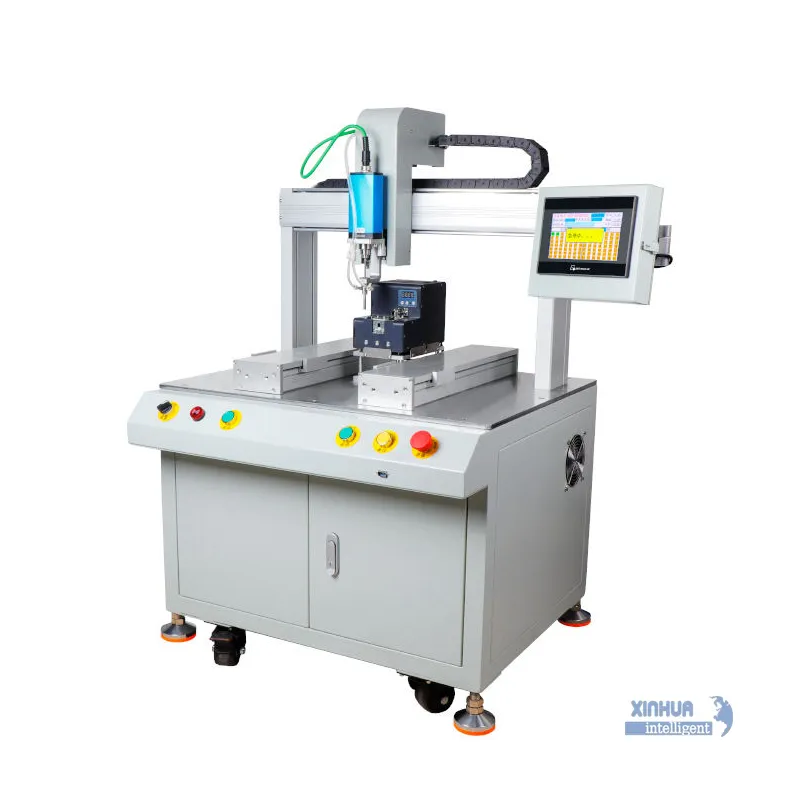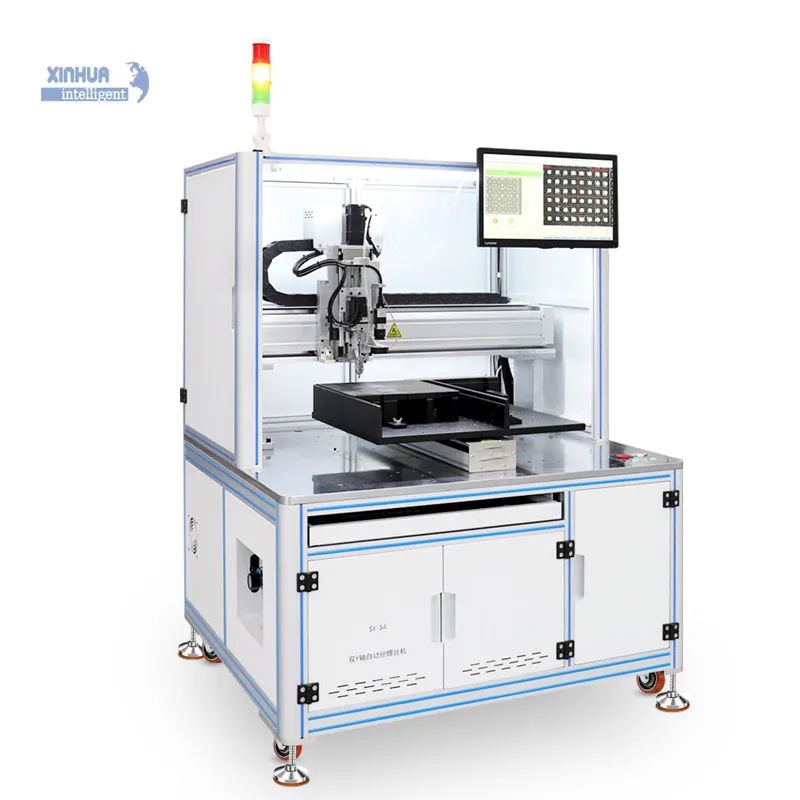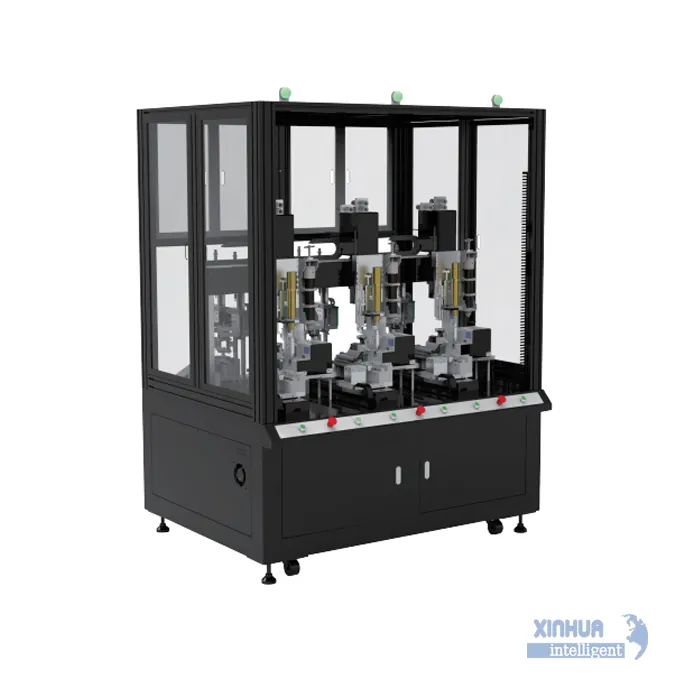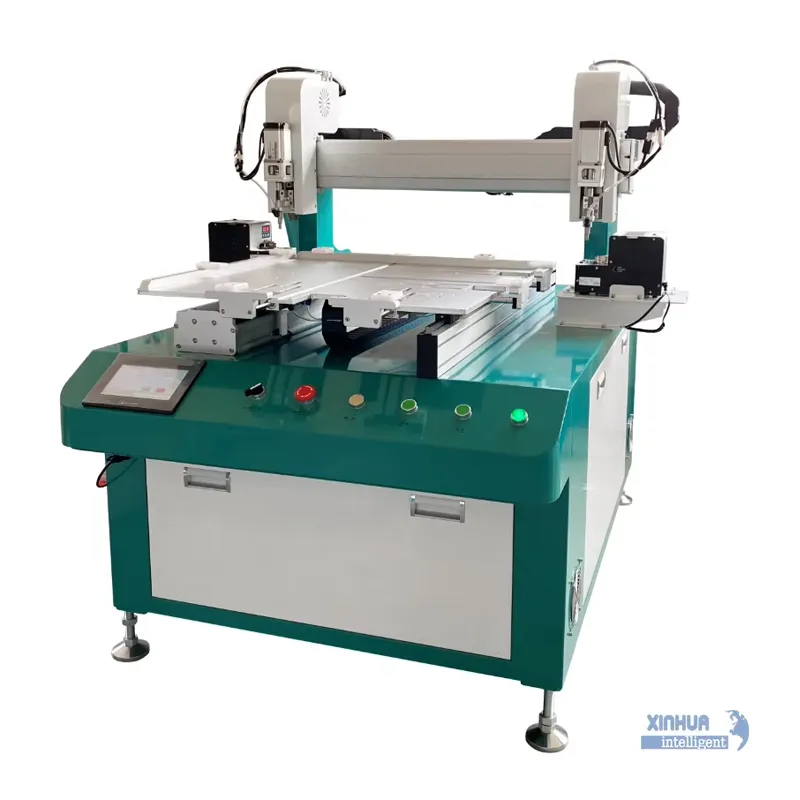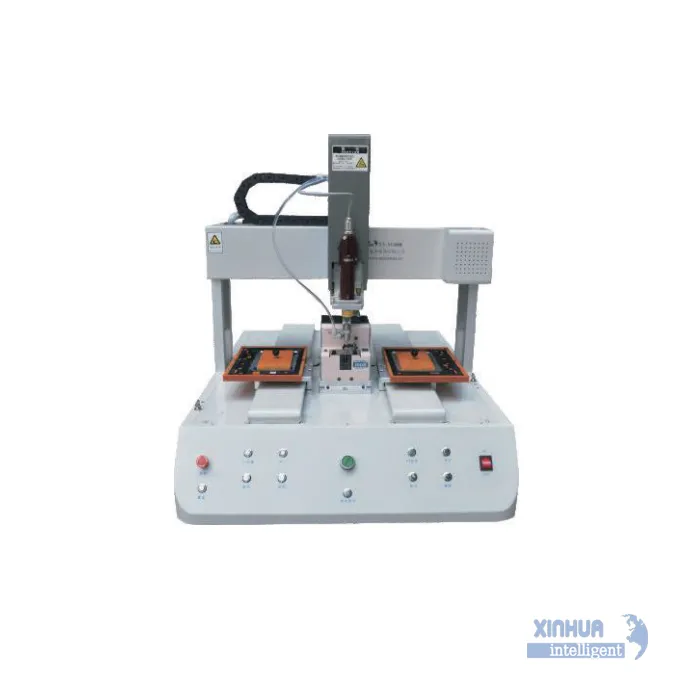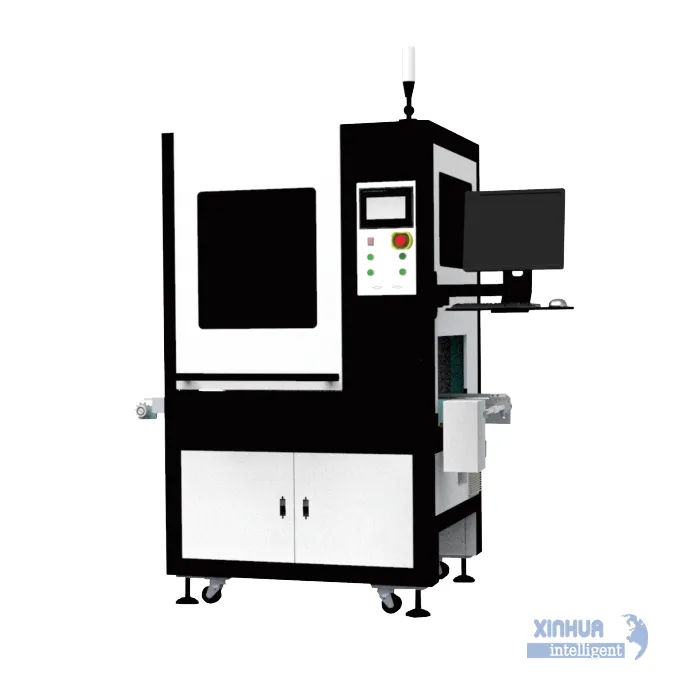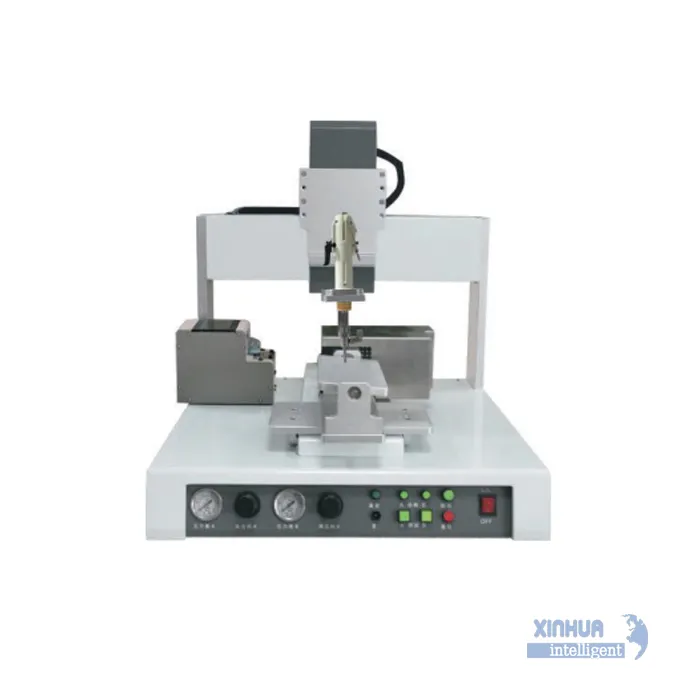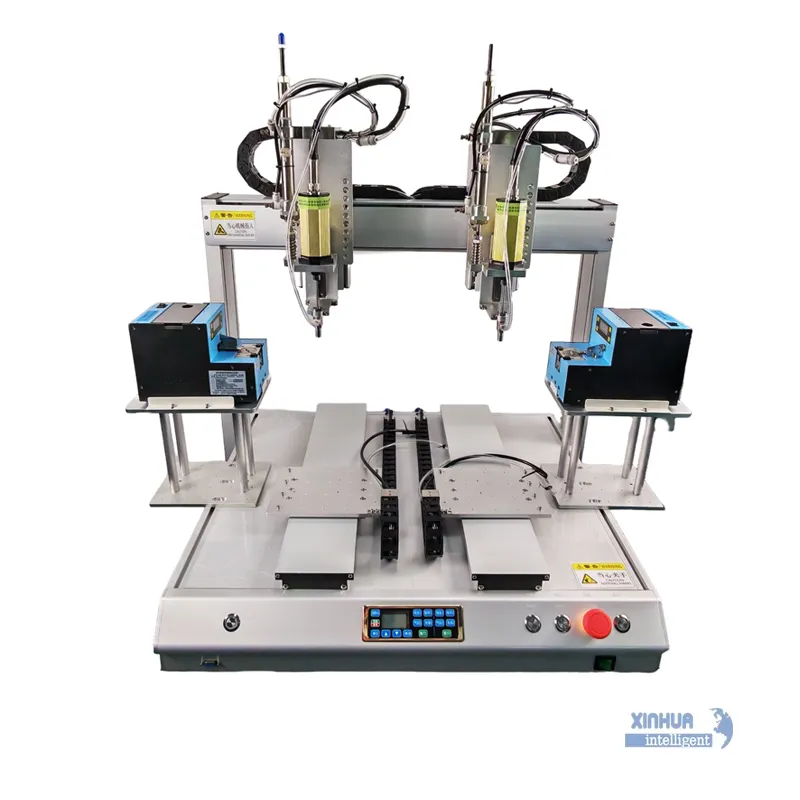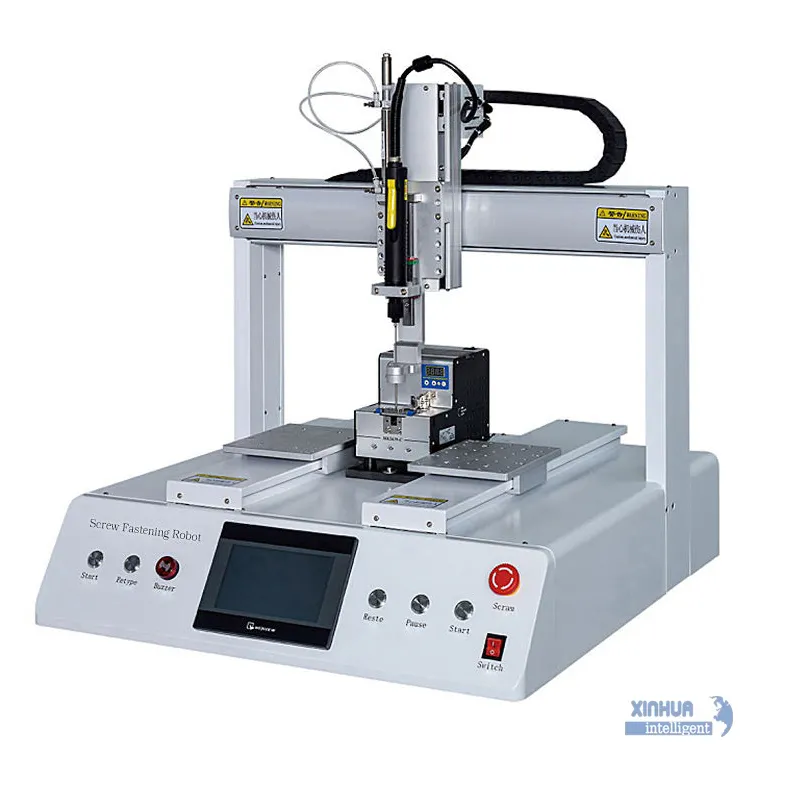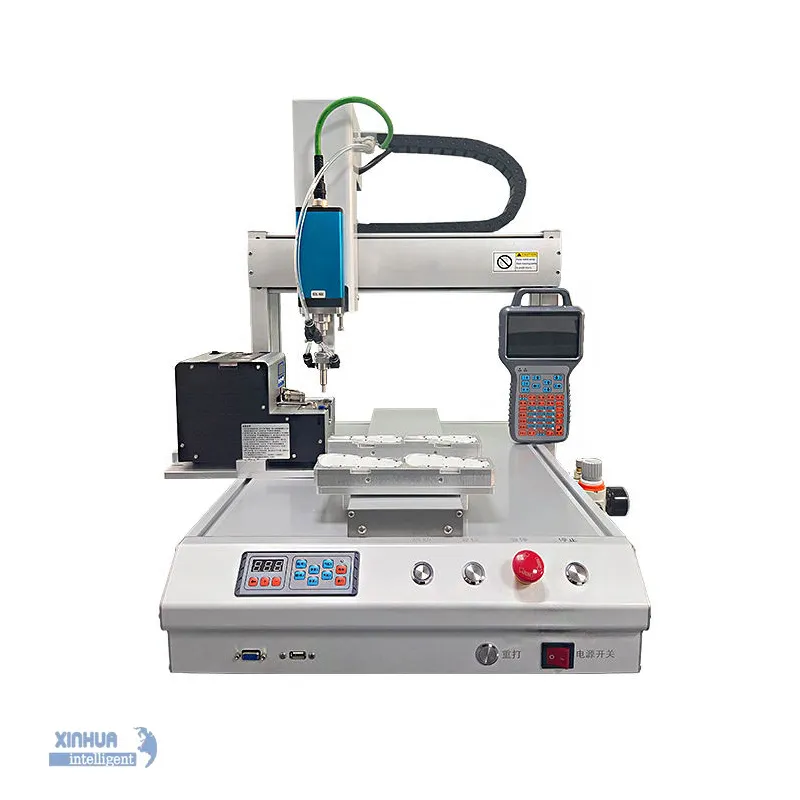
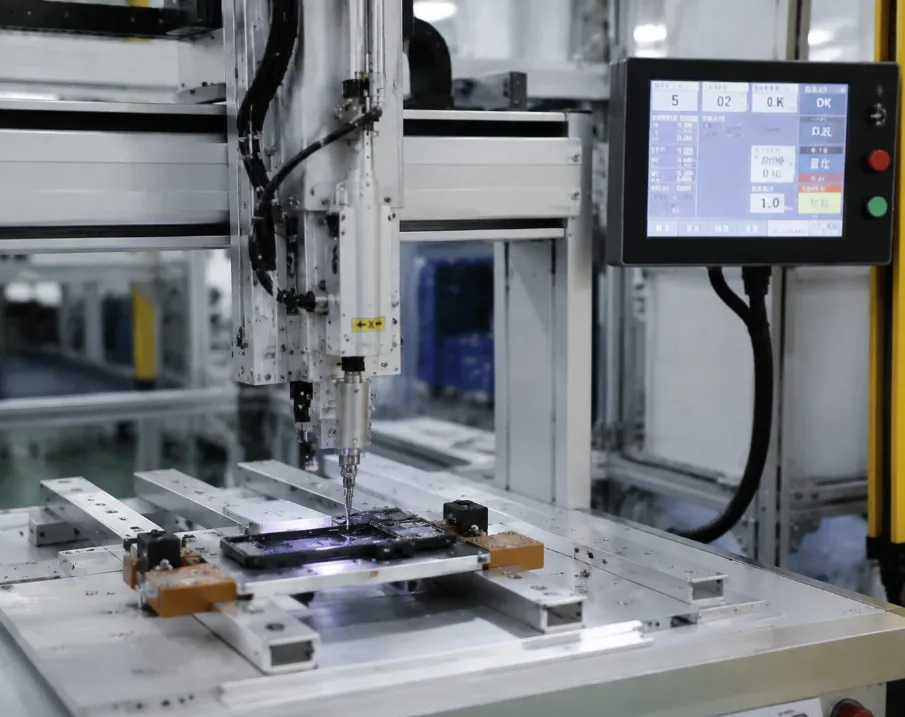
In manufacturing, even small inefficiencies add up fast. Whether you’re building smartphones or car dashboards, a tiny torque error or a missed screw can trigger rework, delays, and angry customers. That’s why more factories are ditching manual screwdrivers for automatic fastening systems. What’s Wrong with Manual Fastening? Don’t get me wrong—skilled operators are great. But no human stays perfect after the 500th screw of a shift. Fatigue creeps in, torque varies, and mistakes happen. One loose screw on a medical device or an EV battery pack? That’s a recall waiting to happen. Automatic systems take the human factor out. They deliver the same torque, depth, and angle every single time. Why Bother Switching?
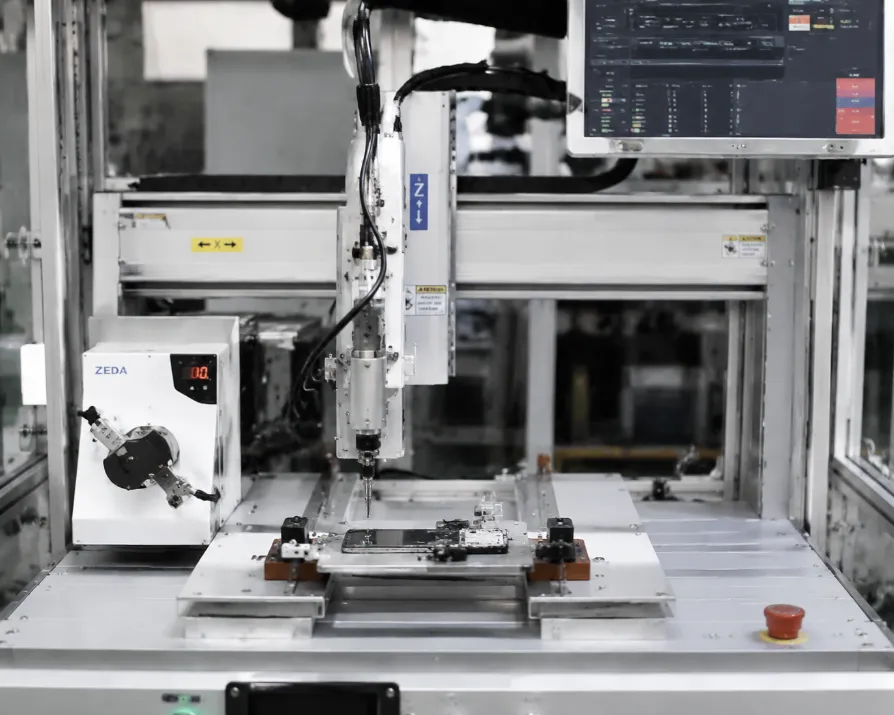
First, consistency. An automatic screwdriver won’t decide to take it easy on a Friday afternoon. It hits the exact spec on unit one and unit ten thousand. That alone cuts defect rates and warranty claims. Second, speed. These machines fasten multiple screws in seconds—way faster than any operator. Hook them up to a robot or a conveyor, and your cycle time shrinks dramatically. Third, labor savings. Instead of paying someone to stand there turning screws all day, you free them up for real problem-solving. The machine handles the boring, repetitive part. Fewer errors, lower fatigue, happier workers. Fourth, flexibility. Today’s auto-feed screwdrivers aren’t one-trick ponies. You get programmable torque profiles, depth control, real-time monitoring. They work as benchtop units or fully integrated robot cells. Swap out a nozzle or change a program, and you’re fastening different screws in minutes. What to Look For When Buying
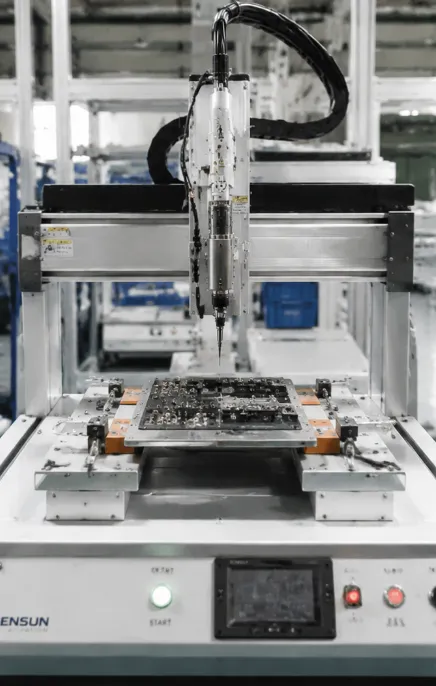
Torque range & accuracy – Does it match your screws and materials? Speed – Can it keep up with your line without choking? Integration – Will it play nice with your existing conveyors or robotics? Reliability – How often does it need maintenance? Downtime kills ROI. A decent system usually pays for itself within months—fewer defects, less rework, lower labor costs. That’s hard to argue with. Where It’s Used
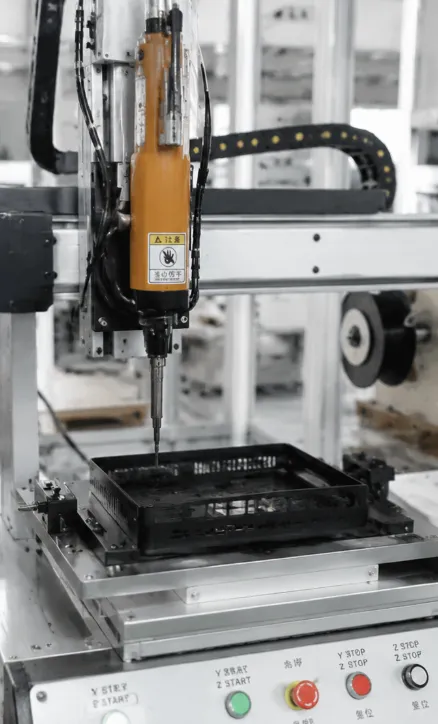
Pretty much everywhere screws are involved. Consumer electronics (think laptops and wearables). Automotive and EV assembly, especially battery modules. Medical devices, where reliability isn’t optional. Heavy industrial equipment, where a loose fastener means downtime or danger. The Bottom Line